
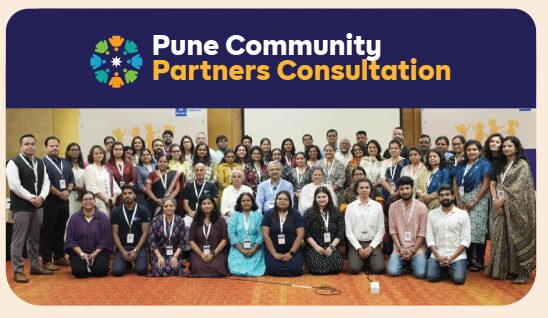
Stakeholders’ Consultation
On 25th September 2024, Bajaj Finserv Limited’s CSR with support from Urban Plus Solutions (UPS) organized the Pune Community Partners Consultation, bringing together NGOs, community leaders, and experts to address issues faced by underprivileged children in Pune. The workshop aimed to understand challenges in slums and unorganized areas while fostering collaborative solutions. Discussions centered on four themes: Child Protection, Child Safety and Security, Early Child Survival and Development, and Parenting. Designed for active participation, the sessions encouraged experience-sharing and group work. Five groups identified key concerns, proposed interventions addressing both demand and supply-side challenges, and suggested strategies for effective collaboration. Each group concluded by setting goals and objectives for the identified focus areas, ensuring collective commitment toward child welfare in Pune.
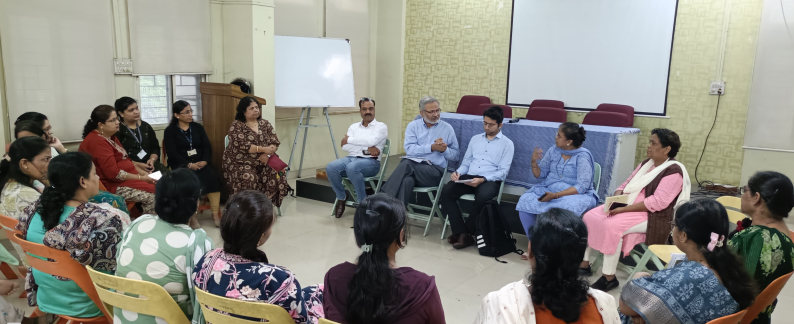
Feasibility Study
This feasibility study explores the need, scope, and strategic direction for a Comprehensive Integrated Urban Program (IUP) in Pune, aimed at improving the health, nutrition, education, and protection outcomes of vulnerable urban populations, particularly children, it covers Health, Nutrition, Education, and child protection. Respondent included medical staff at Urban Primary Health Centres (such as Medical Officers, Pharmacists, Lab Technicians, and ANM), frontline community workers like ASHAs, and diverse groups of community members including pregnant women, young and lactating mothers, children, adolescents, widows, the elderly, and transgender individuals. There are various interesting findings come out, which call for an integrated approach to address the multifaceted issues of the slum population of Pune.
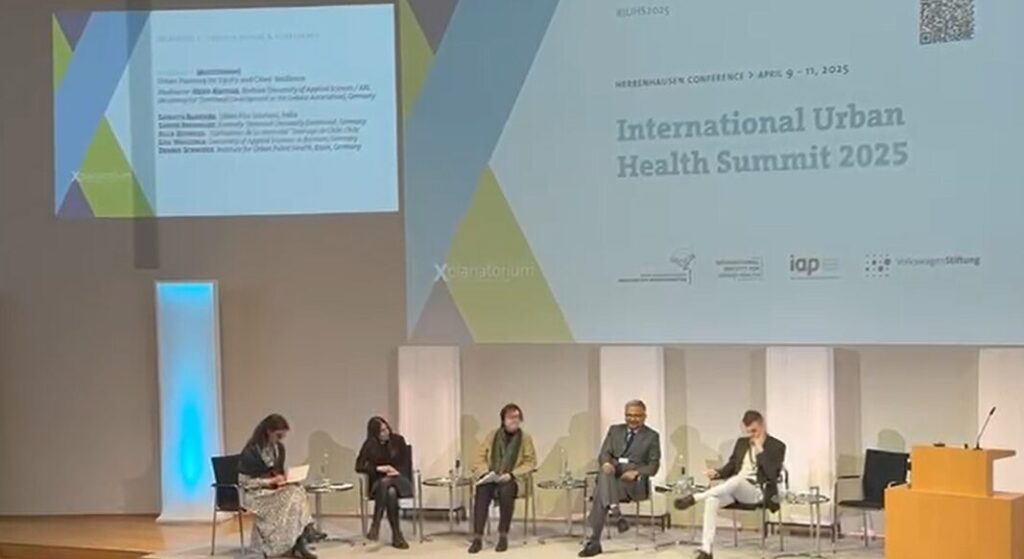
Hanover Conference
The International Urban Health Summit (IUHS 2025, Hanover, Germany, April 2025 ) convened over 200 participants from 30 countries, including researchers, practitioners, policymakers, and civil society, to advance urban health within the context of the SDGs. Supported by WHO and UN-Habitat, the summit highlighted cities as both sites of pressing health challenges and opportunities for equitable, accountable governance. Discussions emphasized four priorities: strengthening governance through inclusive engagement; recognizing health as shaped beyond the health sector; empowering communities; and valuing “place” in urban design and culture. Participants identified critical gaps in data, implementation, and communication. The Inter Academy Partnership (IAP) and partners are committed to translating evidence into action, fostering global collaboration to improve urban health and wellbeing.